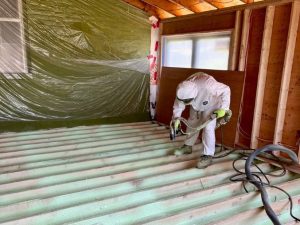
At Bossline, we often hear the question: “How much can I save on energy bills with spray foam insulation compared to traditional insulation?” It’s a great question—and the answer could make a significant difference in your home’s comfort, energy efficiency, and monthly costs. Let’s break it down so you can see just how much spray foam insulation can benefit you.
The Cost of Poor Insulation
If you’ve ever felt a draft coming from a window or noticed that your heating or cooling system seems to be working overtime, your insulation could be to blame. Traditional insulation materials, like fiberglass, cellulose, or mineral wool, often allow air to seep in and out of your home. Over time, these materials can degrade, creating air pockets and reducing their overall effectiveness.
Energy loss through poor insulation is one of the biggest reasons homeowners see high heating and cooling bills. Gaps, leaks, and the inability to properly seal off areas of the home can make it much harder to maintain a consistent indoor temperature.
How Spray Foam Insulation Reduces Energy Bills
Spray foam insulation is a game-changer when it comes to keeping your home sealed and energy-efficient. It creates a monolithic seal—a continuous, airtight barrier around your entire home, which significantly reduces air leakage. Unlike traditional insulation options like fiberglass, cellulose, or mineral wool, spray foam expands to fill every crack, crevice, and gap in your home.
However, to truly benefit from this monolithic seal, it’s important to spray foam your entire home, from top to bottom—including the walls, attic, and even crawl spaces. Only then can you achieve maximum energy savings by ensuring there are no weak spots for air to escape or enter. By creating this continuous barrier, spray foam keeps your heating or cooling inside the home, which means your HVAC system doesn’t have to work as hard to maintain your desired temperature.
Average Energy Savings: Spray Foam vs. Traditional Insulation
So, just how much can you save by choosing spray foam insulation over traditional options like fiberglass, cellulose, or mineral wool?
On average, homeowners who switch to spray foam insulation can expect to see energy savings of around 30-35% on their heating and cooling bills. This means if you’re spending $300 a month on energy bills, you could save up to $90 each month, which adds up to over $1,000 a year!
These savings grow even more over time, especially as traditional insulation materials start to degrade while spray foam maintains its effectiveness for decades. Fiberglass, cellulose, and mineral wool can settle or break down, reducing their insulating power, but spray foam remains stable and efficient for the lifetime of the home.
The Long-Term ROI of Spray Foam Insulation
While spray foam insulation has a higher upfront cost compared to traditional materials, the return on investment (ROI) is undeniable. Think of it this way: if adding spray foam to your home increases your mortgage payment by around $10-$15 a month, but you’re saving $50-$90 on energy bills, you’re actually coming out ahead every single month.
In other words, your energy savings will easily offset the slight increase in your mortgage—meaning you’re putting money back into your pocket almost immediately. Over time, these savings can add up to hundreds, if not thousands, of dollars each year, making spray foam one of the smartest investments you can make for your home.
Important Tip: If you’re building a new home, talk to your contractor about using spray foam insulation. Most builders won’t offer it upfront, but it can be added during construction, which will save you money in the long run. Similarly, if you’re purchasing a home from a builder or developer, ask about upgrading to spray foam. They might not bring it up, so you’ll need to mention it—but with such a negligible increase in your mortgage payment and substantial monthly savings, it’s an upgrade that practically pays for itself.
More Than Just Energy Savings: Additional Benefits of Spray Foam Insulation
Spray foam insulation doesn’t just help you save on energy—it offers a host of other benefits that make it the preferred choice for modern homeowners:
- Moisture Resistance: Spray foam is impervious to water, making it a great solution for areas like basements or crawl spaces. It helps reduce the risk of mold and mildew, which are common issues with traditional insulation materials like fiberglass, cellulose, or mineral wool that get wet.
- Improved Air Quality: The airtight seal created by spray foam prevents allergens, dust, and pollutants from entering your home, improving indoor air quality and creating a healthier living environment.
- Structural Integrity: Spray foam adds rigidity to walls, which can make your home feel sturdier. While traditional insulation might sag or settle over time, spray foam stays in place, ensuring continued energy efficiency.
Related Reading: Benefits of Spray Foam Insulation
Real-World Examples of Energy Savings
We’ve had clients who have noticed immediate differences after switching to spray foam insulation. One homeowner in Belleville reported that their heating bills dropped by 30% in the first winter after installation. Another client shared that their home felt warmer in the winter and cooler in the summer, leading them to use their HVAC system less frequently.
These are just a few examples of how spray foam insulation can make a real difference in both comfort and cost.
Is Spray Foam Insulation Worth the Investment for You?
For homeowners building a new house or undertaking a major renovation, spray foam insulation is a no-brainer when it comes to long-term savings. The cost of installation can often be rolled into your mortgage, and the energy savings will easily offset the additional mortgage payment.
Even if you’re upgrading an existing home, spray foam can provide immediate savings on your energy bills, while giving you the peace of mind that your insulation will last for decades without needing replacement.
Spray Foam Insulation for Long-Term Savings
At Bossline, we believe that spray foam insulation is one of the best investments you can make in your home. Not only does it help you save significantly on energy bills, but it also offers a level of durability and performance that traditional insulation simply can’t match.
If you’re ready to start saving on your energy bills and create a more comfortable, energy-efficient home, contact us today for a consultation. We’d love to help you explore how spray foam insulation can work for you.
You may also like: How Much Does Spray Foam Cost?