
Your Guide to Understanding the Costs and Value of Spray Foam Insulation
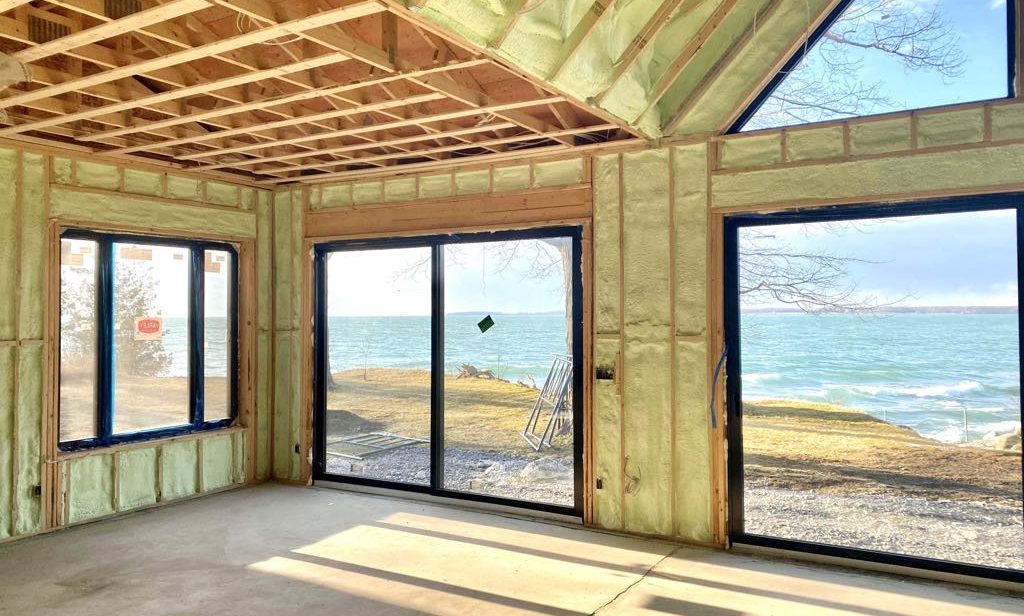
At Bossline Spray Foam, we know that understanding the cost of spray foam insulation is one of the first steps in making the right decision for your home. That’s why we believe in being completely transparent about what factors influence pricing and providing you with a clear range of costs. In this guide, we’ll walk you through everything you need to know to make an informed choice for your home or business.
Quick Pricing Snapshot
Here’s a quick look at what you can expect to pay for spray foam insulation:
- Standard Rate: $1.40 – $1.60 per square foot per inch of thickness.
- Volume Discounts: Prices may drop as low as $1.30 per square foot per inch for very large, straightforward projects with minimal prep work.
- Mobilization Fees for Small Projects: Start at around $750 depending on job specifics.
To help you understand these numbers, let’s break down the costs with some real-world examples:
- New Construction:
- For a typical 2,000 sq. ft. bungalow (3 bedrooms, 2 bathrooms, basement, attic), the cost of spray foam insulation typically ranges from $25,000 to $35,000. This includes all exterior walls, the attic, and the basement, ensuring optimal energy efficiency and comfort.
- Basement Insulation:
- Insulating an unfinished basement in a 2,000 sq. ft. home costs around $7,000. This price covers the spray foam application to all exterior basement walls, preventing moisture ingress and improving thermal resistance.
- Renovation Projects:
- Renovating an older home can involve additional costs, such as removing existing drywall or old insulation. These tasks might require special preparation and disposal, adding to the overall cost. The final price will depend on the extent of the renovation and any unique challenges involved.
- Special Projects:
- Smaller projects or unique applications (like insulating a floating dock or a small crawl space) will incur a mobilization fee, typically starting at $750. These jobs may cost more per square foot due to the additional effort and preparation required.
Need a Custom Quote? Contact Us Today for a Free Estimate!
What Affects the Cost of Spray Foam Insulation?
Several factors impact the cost of spray foam insulation. Here’s a breakdown of what can influence the price:
- Square Footage and Volume: The larger the area, the more spray foam is required. Larger projects often benefit from volume discounts, reducing the per-square-foot cost.
- Type of Project: Costs can vary depending on whether it’s a new build or a renovation. New construction is generally less expensive because it’s easier to access open areas. Renovation projects, especially in older homes, may require additional labor, which could increase costs.
- Complexity and Accessibility: Some areas, like attics, basements, crawl spaces, or tight exterior walls, are harder to reach and may cost more due to additional time and effort required.
- Thickness and R-Value Requirements: In Southern Ontario, the building code specifies minimum R-values for different parts of the home:
- Basements: Minimum of R-20 (typically 3 inches of spray foam)
- Exterior Walls: Minimum of R-24 (typically 4 inches of spray foam)
- Attics: Minimum of R-31 (typically 5 inches of spray foam)
- While these are the standard requirements, you can choose to exceed them for additional energy efficiency. The thicker the insulation, the higher the cost. For example, adding more spray foam can significantly improve your home’s thermal performance, but it will increase the overall project cost.
- Additional Services: Services such as air barriers, acoustic sealing, special preparation for complex jobs, or removal of existing materials can add value but may also increase the overall price.
Is Spray Foam Insulation Worth the Investment?
Spray foam insulation is often compared to traditional insulation materials, such as fiberglass or cellulose. While it may have a slightly higher upfront cost (about 20-30% more than traditional insulation), it offers significant long-term benefits:
- Longer Lifespan: Spray foam insulation does not degrade or lose its R-value over time. Traditional insulation, on the other hand, may need to be replaced every 20-30 years.
- Energy Savings: Spray foam provides superior air sealing and moisture resistance, leading to lower energy bills and a more comfortable home.
- Reduced Maintenance Costs: Unlike traditional insulation, which can slump or degrade, spray foam remains intact and effective for the lifetime of your home.
| Feature | Spray Foam Insulation | Traditional Insulation |
| Cost | 20-30% higher upfront cost | Lower initial cost |
| Lifespan | 50+ years, potentially lifetime | 20-30 years |
| Energy Efficiency | High, excellent air sealing | Moderate, potential gaps |
| Maintenance | Minimal to none | May require replacement |
| Moisture and Air Resistance | Yes | No |
Why Choose Bossline Spray Foam?
At Bossline, we pride ourselves on providing more than just insulation. Here’s what sets us apart:
- Premium Product: We use the highest quality, Canadian-made spray foam insulation with low VOC (volatile organic compounds) emissions.
- Expert Service: Our team performs thorough prep work, meticulous application, and comprehensive post-installation cleanup, ensuring your home remains spotless.
- Comprehensive Care: We offer a full-service approach—from removing old materials to storing furniture and ensuring your living environment remains clean and safe throughout the process.
- Insurance and Peace of Mind: We offer up to $20 million in liability and property coverage, ensuring that your home is fully protected during the installation process.
“We’ve had a fantastic experience with Bossline Spray Foam. The team was professional, and the results have been outstanding. Our home is now more comfortable, and our energy bills have gone down!” – John and Sarah, Belleville, Ontario
Your Questions Answered
We understand you might have some questions, so we’ve compiled answers to the most common ones:
- Is spray foam insulation more expensive than traditional insulation?
Spray foam is about 20-30% more expensive than traditional insulation upfront but offers superior long-term value due to its durability and energy savings. - Can spray foam insulation be used in existing homes?
Yes, it can be used in existing homes, but it requires access before drywall installation or as part of a full renovation where walls are removed. - What makes spray foam insulation worth the cost?
It’s a lifetime product that offers continuous savings on energy bills, enhances comfort, and requires minimal maintenance.
Ready to Learn More?
If you’re ready to transform your home with high-quality spray foam insulation, contact us today for a free, no-obligation estimate. Our team is here to answer any questions and help you get started.
Get Your Free Estimate | Call Us: +1-613-813-6733 | Email: info@bosslinesprayfoam.com